Comforters are typically lightweight yet insulating bedding items designed to provide warmth without the bulk of heavy blankets. They often feature filled cores surrounded by a stitched cover, distributing warmth evenly. In quality linens, look for materials such as cotton, microfiber, or duvet-friendly fabrics that balance softness, breathability, and durability for year-round use.
Key features to consider include fill type, warmth rating, and the method of construction. Down or alternative fills affect loft and heat retention, while higher thread counts generally indicate a smoother hand and improved longevity. A well-constructed comforter uses box or baffle box stitching to maintain even distribution of the fill and minimize cold spots.
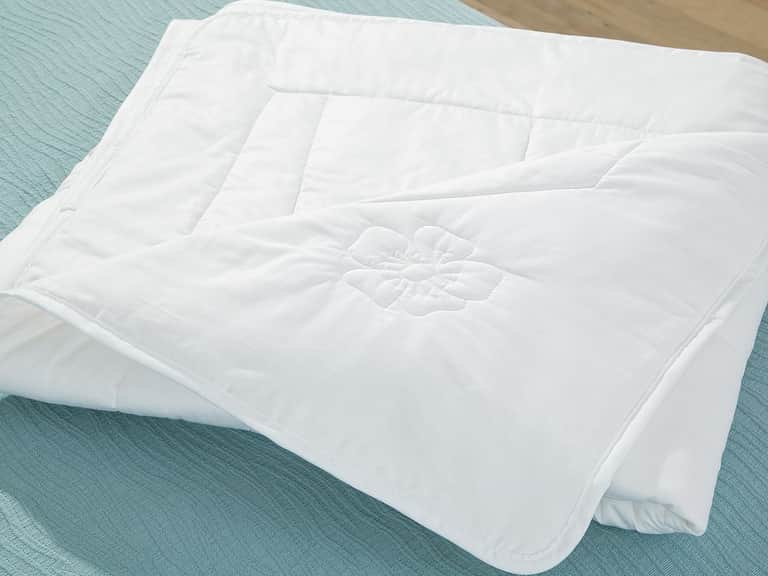
The DownTown Company Summer Linen Summer Comforter exemplifies a design focused on breathable comfort during warmer seasons. Linen blends can enhance airflow and moisture wicking, helping regulate body temperature. This type of comforter often remains suitable for mild to moderately warm climates, reducing overheating while still providing a cohesive sleeping environment.
When selecting bedding for comfort and compatibility with existing sheets, consider dimensions, whether the comforter uses a duvet cover, and care instructions. Linen and cotton comforters tend to be easy to launder, resist pilling, and maintain integrity with regular washing. Matching pillow covers and quilts can complete a coordinated look without compromising performance.
Overall, comforters serve as a practical layer that contributes to sleep quality by supporting thermoregulation and comfort. Understanding fill weight, fabric composition, and construction helps users, sheets, duvet covers, and blankets alike, identify options that align with personal preferences for warmth, texture, and durability in a home bedding system.
 Bedding