Choosing Linen for Hotel Programs: A Practical Guide to Standards and Procurement
A thoughtful, field-tested approach to establishing linen standards, evaluating fabric options, and optimizing procurement for hotels, guest houses, and multi-property portfolios.
In the hospitality world, linen is more than a textile. It is a daily touchpoint between guest experience and operational discipline. The difference between a retreat that feels curated and one that feels generic often hides in the details: a sheet that breathes with the room’s climate, a duvet cover that hides wear after weeks of turnover, a pillowcase that remains cool to the touch despite a crowded laundry schedule. This article unfolds a practical framework for hotel programs to translate guest comfort into measurable procurement, standards, and governance.
What follows is not a manifesto of brands, but a method. It borrows lessons from established premium lines—such as organic linen sheets and linen-based duvet coverings—while emphasizing the discipline of procurement rubrics, standard operating procedures for housekeeping turnover, and a lifecycle costs mindset that hospitality leaders increasingly demand.
1) Establishing a Linen Standards Framework
A hotel program begins with a clear standards framework. This is the compass that guides everything from fabric selection to wash protocols. The framework rests on four pillars: fabric composition and weight, weave and finish, performance under laundering, and thermal/comfort properties.
- Fabric composition and weight. Linen, cotton, and linen-blend textiles respond differently to humidity and heat. For guest rooms, a breathable linen or linen-blend sheet set often delivers comfort across seasons. Weight, often expressed in grams per square meter (GSM) or ounces per square yard, correlates with durability and thermal behavior. In practice, a mid-weight linen (roughly in the 140–185 GSM range for sheet sets) tends to balance breathability and longevity for many properties.
- Weave and finish. Plain weaves and linen’s natural slub contribute texture and air flow. Stone-washing or enzyme finishing can soften the hand and reduce pilling, while ensuring colorfastness across repeated laundering. The finish should support easy care without sacrificing tactile quality.
- laundering performance. The program should specify a standard wash/dry cycle, including recommended detergents, water temperature, and drying temperatures. A robust rubric will assess shrinkage, color retention, and resilience to pilling after a defined number of wash cycles.
- Thermal and comfort properties. Guests notice what they cannot see as much as what they can touch: warmth, moisture transport, and air movement. Linen’s natural moisture-wicking and breathability often translate to better sleep comfort in warm and humid climates, while appropriate blends can mitigate extreme heat or cold.
2) Comparative Assessment: Linen Options in Practice
A well-curated program examines options from respected linen houses, balancing performance and value. Consider a spectrum that includes purely organic linen and carefully engineered linen blends. The goal is to align guest comfort with predictable maintenance costs and reliable supplier support.
Take, for example, a premium linen sheet set that promises breathability and evolving softness with use. The notion of a “stone-washed” finish on linen is not merely cosmetic; it’s a manufacturing choice that reduces initial roughness, accelerates the break-in period, and can influence owner perception of value. A compare-and-contrast exercise across brands helps procurement teams determine which characteristics matter most for their specific properties.
In a practical sense, a hotel should document:
- Fabric origin and certifications (for linen, GOTS or equivalent when relevant).
- Weave and fabric weight, including a tested load for laundering cycles.
- Care instructions that give housekeeping predictable results and extend textile life.
- Colorfastness and dye stability under repeated washing.
- Availability and lead times, including contingency backups for seasonal demand peaks.
3) Procurement Benchmarks: Balancing Cost per Use and Lifecycle Durability
Procurement benchmarks translate qualitative comfort into quantitative metrics. A pragmatic approach anchors on cost-per-use, total lifecycle cost, and the time value of maintenance efficiency. Three touchstones anchor decision-making:
- Cost-per-use (CPU). This is not merely the sticker price. CPU accounts for washing cycles, reduced shrinkage, and the serviceable life of linens across a year. A higher upfront cost may yield lower annual spend if the textile endures more cycles without degradation.
- Lifecycle durability. This reflects resistance to pilling, color fading, and fabric strength after a defined number of industrial washings. A durable textile reduces replacement frequency and the administrative burden of procurement.
- Supplier reliability and service. The partnership with a linen supplier extends beyond product quality. It includes lead times, sample programs, flexible returns, and the ability to supply standardized sizes for multi-property programs.
A robust protocol pairs a measured test protocol with a clear rubric for supplier evaluation. For example, a rubric might rate a linen sheet set on criteria such as weave integrity after N wash cycles, resistance to shrinkage, and ease of ironing or wrinkle resistance, then map these to estimated CPU and replacement intervals.
4) Supplier Rubrics and Inspections: Standardizing Quality Across Properties
A single standard is insufficient when a program spans multiple properties, sometimes geographically dispersed. The solution is a formal supplier rubric and a uniform inspection form. A well-constructed rubric has three layers: product specifications, process compliance, and field performance.
Product specifications include fabric composition, weight, weave, finish, and care guidance. Process compliance covers order accuracy, labeling, packaging, and shelf-life considerations. Field performance translates into laundry-cycle persistence: does the fabric retain its color hue after X washes? Does the weave hold together under repeated laundering? Do pillowcases maintain a smooth envelope seam after multiple cycles?
5) A Practical Path: From Standards to Implementation
To operationalize these ideas, consider a phased rollout. Begin with a pilot program at a flagship property to establish baseline measurements. The pilot should test a limited set of fabrics and finishes, document wash characteristics, and collect guest and staff feedback on perceived comfort. Following the pilot, roll out standardized linens across the portfolio using a single or a small set of approved suppliers, guided by the established rubric.
Documentation matters. Create clear product data sheets, a standard RFP outline for linen suppliers, and inspection templates for periodic quality checks. The goal is to ensure that a housekeeping manager in one city can execute the same procedure with the same expected results as in another city.
6) The Role of Sustainability and Certification
Sustainability is no longer a niche consideration; it is a baseline expectation in modern hospitality procurement. Linen programs can advance sustainability through organic fibers, responsible sourcing, and transparent supply chains. Certifications, such as GOTS for linen fibers, can signal to guests a commitment to ecological stewardship while guiding procurement toward robust, well-documented supply chains.
This is not merely about chasing labels. It is about embedding sustainable choices into standard operating procedures: minimal water usage in processing where feasible, appropriate dyeing practices, and supplier partnerships that support fair labor and ethical practices. The net effect is a program that aligns guest comfort with corporate responsibility, without compromising business viability.
7) A Note on Real-World Product Context
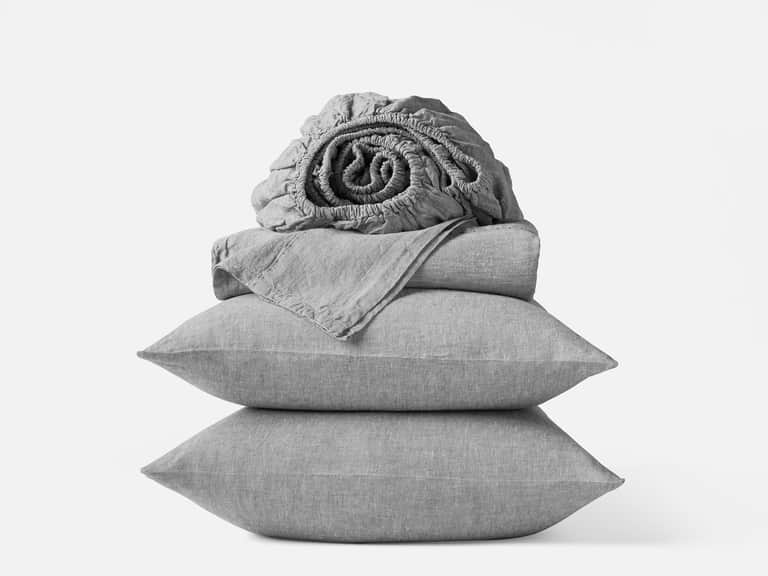
In assembling a compelling, usable program, property teams may look to established linen lines that harmonize with professional expectations for durability and comfort. For instance, organic relaxed linen sheet sets—produced from France-grown flax and woven in Portugal with a plant-based softener finish—offer a practical reference for breathability and a relaxed hand that softens with use. Such options illustrate how a textile’s lifecycle interacts with guest perception and operational workflows. While evaluating options, it is wise to compare fiber origin, certifications, care guidelines, and the availability of matching components—sheets, pillowcases, and duvet covers—that enable cohesive styling across the property.
A well-structured procurement program does not rely on a single product. It builds redundancy, negotiates volume pricing, and ensures continuity through supplier diversification. It also preserves the flexibility to adapt to evolving guest expectations, climate realities, and regulatory frameworks without compromising the core promise of comfort and reliability.
8) Practical Takeaways for Hospitality Leaders
- Define a concise linen standard set that includes sheet sets, pillowcases, and duvet covers with clear fabric weights, weave type, and care instructions.
- Develop a supplier rubric that covers product specifications, process compliance, and field performance, and apply it uniformly across all properties.
- Establish a lifecycle cost framework that incorporates CPU, replacement intervals, and maintenance overhead, then benchmark suppliers against it.
- Plan a staged rollout beginning with a pilot property to calibrate expectations and refine inspection templates before portfolio-wide adoption.
- Embed sustainability into procurement decisions by prioritizing certifications, transparent supply chains, and durable finishes that reduce waste and replacement frequency.
Conclusion: A Quiet Confidence in Linen
A hotel's linen program, when thoughtfully designed and rigorously managed, becomes a quiet but powerful ambassador for guest comfort and operational efficiency. It is less about the most expensive textile and more about the most reliable routine—an invisible framework that ensures guests feel cared for, room after room, year after year. The discipline of standards and procurement is not a cold calculus; it is a ritual of care—an ongoing conversation between fabric, washing machines, housekeeping carts, and the guests who slip beneath the linens every night.
As the industry evolves, hotels that treat linen as a strategic asset—mapped to guest experience, sustainability, and lifecycle cost—will not merely keep up with trends; they will set the pace for a more thoughtful, more comfortable hospitality future.
Product Spotlight: Real Options for Hospitality Programs
To illustrate practical applicability, here are two product lines that align with the ethos described above, each offering durable, breathable linen options suitable for hotel programs. They exemplify how a program might integrate reliable, well-documented textiles into its standard offerings:
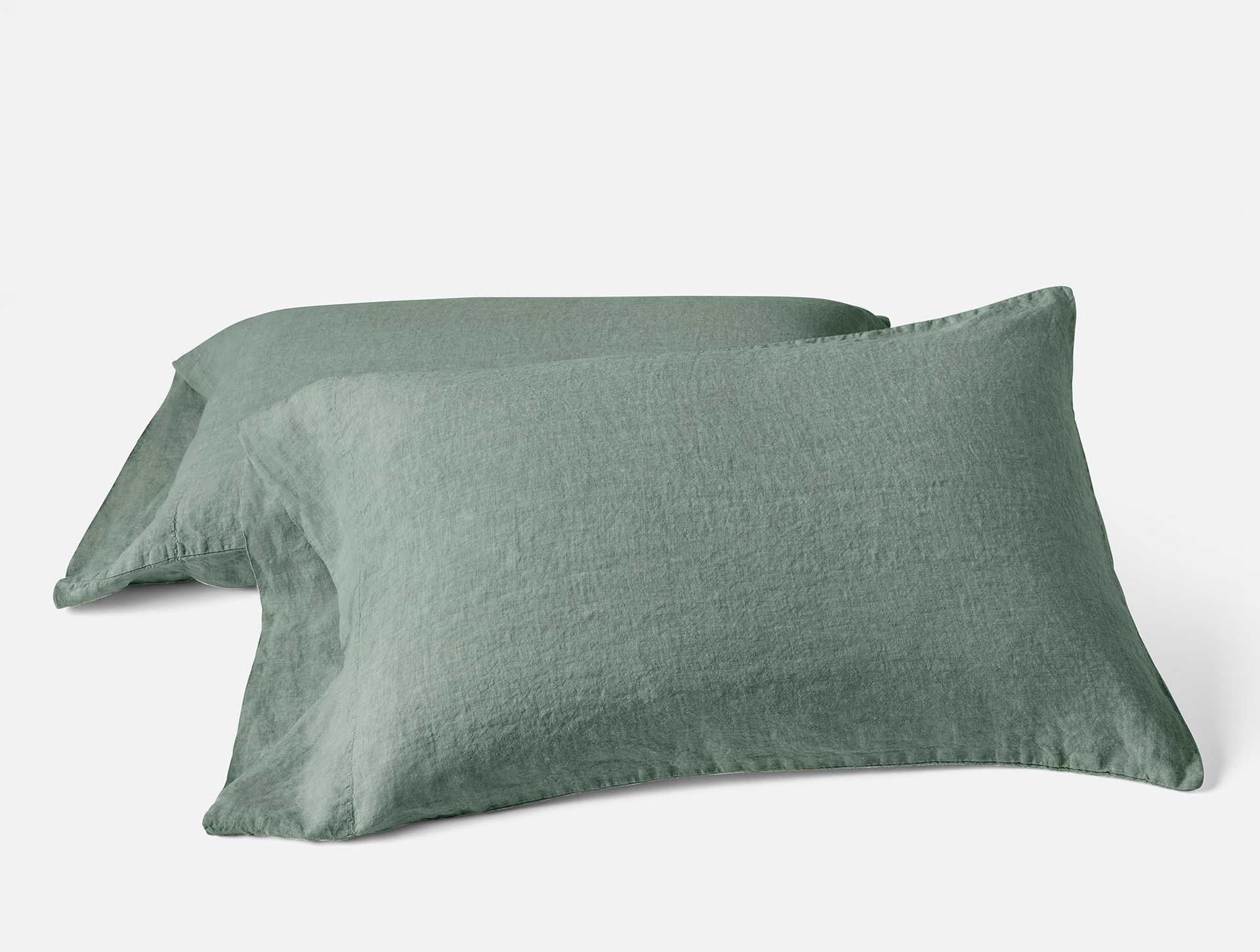
- DownTown Company Layla Linen Pillowcases — 100% flax linen, breathable and moisture-wicking, designed for everyday ease and long-term softness. These pillowcases are durable, machine washable, and coordinate well with Layla Linen sheet sets and duvet covers, contributing to a cohesive guest room aesthetic. Link: Downtown Company Layla Linen Pillowcases
- Organic Relaxed Linen Sheet Set — GOTS-certified 100% organic French flax linen, woven in Portugal, with 15" deep pockets and a plant-based softener finish. This option embodies breathable comfort and a relaxed drape that softens with use, a practical fit for all-season guest comfort. Link: Organic Relaxed Linen Sheet Set
Note: Specific product availability may vary by property and region. Always confirm with your procurement team and supplier representatives for current stock and lead times.